
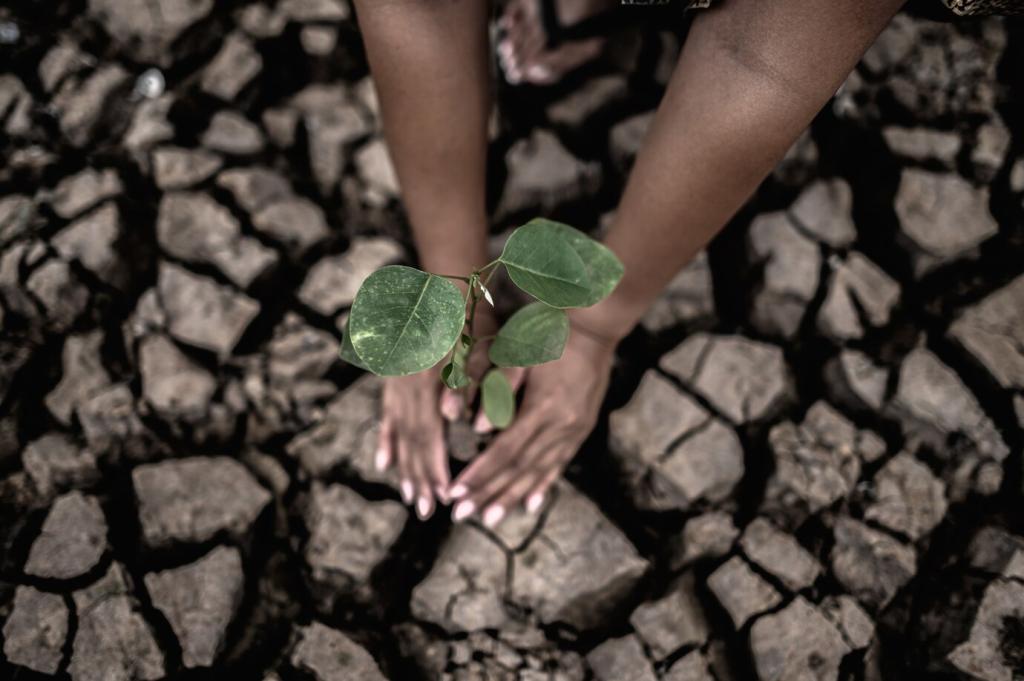


Chosen theme: Drought-Resistant Plant Varieties for Dry Zones. From sun-baked courtyards to wind-scoured hillsides, discover resilient species and cultivars that hold their color, structure, and harvests when the rain runs late. Join our community for practical guidance, field-tested picks, and inspiring stories.

What Makes a Plant Truly Drought-Resistant

Drought-resilient plants often combine deep or wide-spreading roots, waxy or silver leaves that reflect sun, and reduced leaf area. Many succulents store moisture, while some species use CAM photosynthesis to close stomata by day and sip carbon at night.

What Makes a Plant Truly Drought-Resistant

Fast-draining, mineral-rich soils help roots breathe and resist rot between scarce waterings. Mycorrhizal fungi strengthen uptake of micronutrients, while gravelly mulches reduce evaporation. Matching each variety to your native soil structure dramatically improves heat-season stamina.

Ornamental Varieties That Keep Beauty in the Heat

Mediterranean Icons: Lavender, Rosemary, and Sage

Look for lavender ‘Hidcote’ or ‘Grosso’ for fragrance and bees, rosemary ‘Arp’ for cold-hardy toughness, and Salvia ‘Hot Lips’ for relentless bloom. Silvery foliage and aromatic oils reduce transpiration while inviting pollinators through the toughest weeks.

Succulent Sculptures: Agave, Aloe, and Yucca

Architectural standouts like Agave parryi, Aloe striata, and Yucca rostrata store water in leaves and hold strong silhouettes year-round. Plant in gritty soil with sharp drainage, and give space for dramatic rosettes that shrug off prolonged dry spells.

Color That Won’t Quit: Lantana, Bougainvillea, and Gaillardia

Lantana blooms through heatwaves, bougainvillea bracts blaze on minimal water once rooted, and Gaillardia ‘Arizona Sun’ provides daisy-like color with little fuss. Deadhead lightly, trim after flushes, and enjoy sustained brightness without constant irrigation demands.

Edible and Useful Plants for Arid Gardens

01
Tepary beans evolved in desert fields, producing protein-rich harvests on scant moisture. Cowpeas set pods reliably in heat, while amaranth greens and seeds thrive in poor soils, delivering nutrition when cool-season vegetables falter under glaring sun.
02
Okra ‘Clemson Spineless’ loves hot roots and sparse water once established. Many NuMex chilies produce under blazing skies, and pomegranate ‘Wonderful’ sweetens in dry air. Deep, infrequent watering builds flavor without sacrificing resilience or yield.
03
Fig ‘Desert King’ tolerates heat and rewards thoughtful pruning. Compact olive ‘Arbequina’ bears reliably with minimal irrigation. Prickly pear (Opuntia) pads and fruits offer food and structure, thriving in rocky soils that roast under long summer drought.

Southwestern North America: Desert Willow and Texas Sage

Desert willow (Chilopsis linearis) flaunts orchid-like blooms after summer storms. Texas sage (Leucophyllum frutescens) flushes purple with humidity shifts. Both prefer sun, lean soils, and minimal irrigation—perfect anchors for water-wise, pollinator-friendly front yards.

Mediterranean Basin: Rockrose and Mastic

Rockrose (Cistus) flowers freely on poor, sandy hills, while mastic (Pistacia lentiscus) forms durable evergreen screens. Their resinous, aromatic leaves conserve moisture and discourage browsing, making low-maintenance hedging that thrives on the lightest touch of care.

Southern Africa and Australia: Aloes, Eremophila, and Saltbush

Aloes feed winter pollinators, Eremophila (emu bush) offers tubular blooms on scant water, and old man saltbush handles alkaline soils. These hardy natives demonstrate how color and wildlife value persist even when irrigation lines stay dry.

Establishment Techniques That Unlock Hardiness

Plant at the cool shoulder seasons to encourage rooting before heat arrives. Set crowns at the right depth, loosen root-bound pots, and space generously to reduce competition for scarce moisture as canopies mature through summer.

Establishment Techniques That Unlock Hardiness

Water with rare, thorough soakings rather than frequent sips. Aim to moisten the full root zone, then let soil dry. As plants establish, extend intervals, training roots downward and building drought toughness that pays off in July.
Terracotta breathes and prevents soggy roots, while tall containers encourage depth. Mix coarse sand, pumice, and compost for drainage. Elevate pots on feet, and check that every container sheds excess water quickly after rare, deep waterings.
Cluster plants with similar thirst: agaves, senecios, and ice plants together. Combine blue-gray foliage with warm gravel for contrast. Use reflective surfaces sparingly to avoid leaf scorch while maximizing evening glow and low-maintenance seasonal interest.
On a west-facing balcony, a trio—Aloe striata, Sedum ‘Autumn Joy’, and rosemary ‘Arp’—thrived with weekly deep water. A pale gravel top-dress cut evaporation, and morning misting kept foliage clean without encouraging shallow, thirsty roots.

Community, Resources, and Your Next Steps

Share Your Dry-Zone Wins

What drought-resistant varieties thrive for you? Post your photos, soil notes, and watering intervals. Your field reality helps neighbors choose better plants and reduces guesswork for gardeners facing their first truly dry summer.

Subscribe for Field-Tested Picks

Join our newsletter for monthly variety trials, establishment checklists, and region-specific native rundowns. Expect honest results from heat domes and dry spells, plus reminders timed to your season so tasks never arrive too late.

Your Turn: Questions We’ll Feature Next Week

Which arid-region varieties should we trial next—saltbush hedges, desert willows for small yards, or ultra-compact agaves? Ask away, vote on tests, and we’ll spotlight reader gardens that embody drought-smart beauty and dependable, low-water performance.
Dotventuresuccessnow
Privacy Overview

This website uses cookies so that we can provide you with the best user experience possible. Cookie information is stored in your browser and performs functions such as recognising you when you return to our website and helping our team to understand which sections of the website you find most interesting and useful.